

Your Little
Fortune
Raising Money-Fluent Kids in the Digital Age
The financial world your kids navigate looks nothing like yours. Equip them with the skills they need — before someone else teaches them the wrong lessons.

The Gap Is Real
Your kids are making financial decisions every day — spending Robux, tapping "Buy Now" on in-app purchases, watching influencers sell them dreams. Most parents have no idea how to guide them through a financial landscape that didn't exist 10 years ago.
Kids
Roblox, V-Bucks, crypto,
in-app purchases, loot boxes
Parents
Allowance, piggy banks,
“save for a rainy day”
This book bridges the gap with practical tools for the world your kids actually live in.
$7.7B
Spent by kids on in-app purchases yearly
62%
of parents unaware of kids' digital spending
8-12
The critical age window for money habits
What's Inside
Thirteen chapters across four parts — each built around real stories, actionable frameworks, and custom illustrations. Plus a glossary, red flags checklist, and the complete Digital Toolkit.
The New Landscape
Chapter 1: The Rules Changed
A family discovers $4,000 in gaming charges — and realizes the financial world their kids navigate has fundamentally shifted.
Chapter 2: What Kids Are Actually Doing With Money
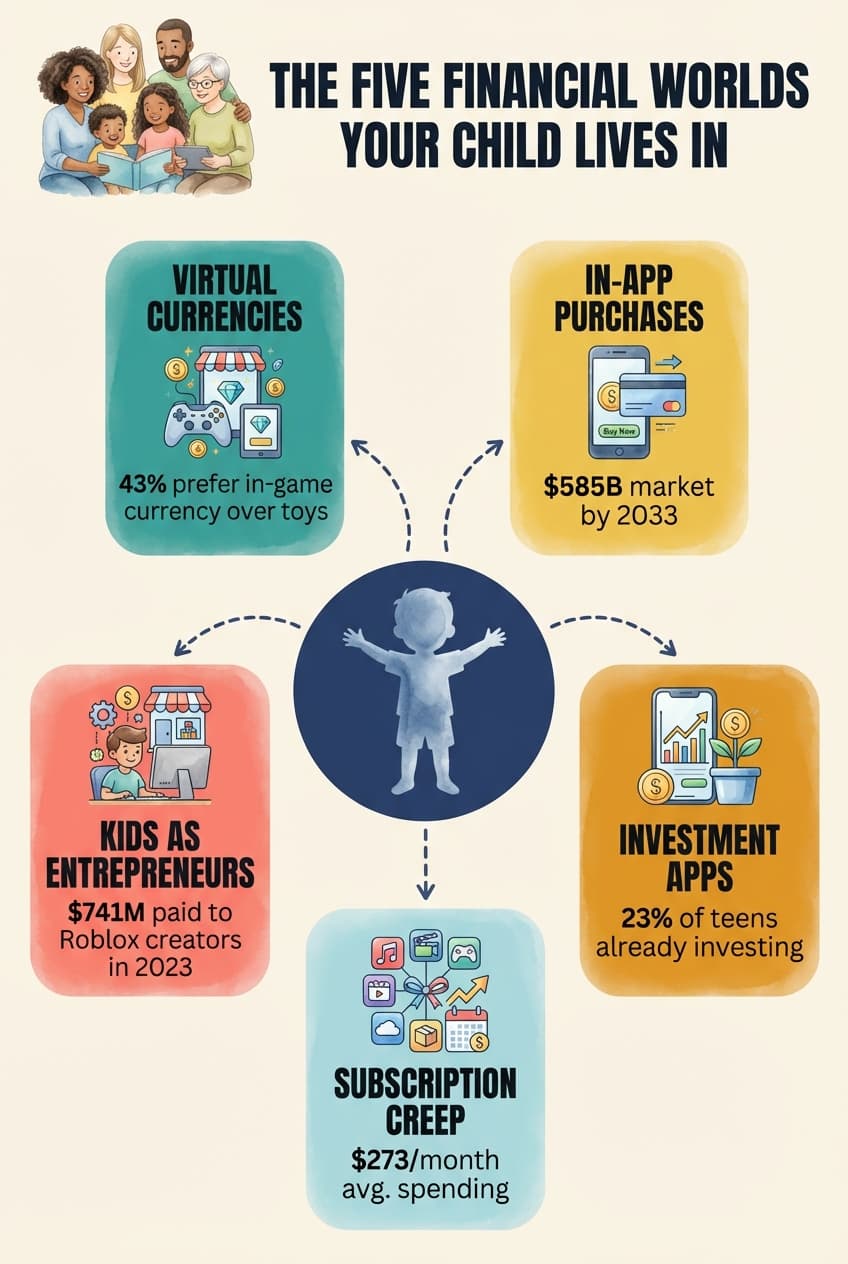
Meet Marcus, a 12-year-old Roblox developer earning real money — and the five financial worlds your kids already inhabit.
Chapter 3: The Threats They Can’t See
How a teenager lost money to a Discord “mentor” — and the dark patterns, algorithmic nudges, and social pressure targeting your kids daily.
The Core Curriculum
Chapter 4: Money Fundamentals — Updated
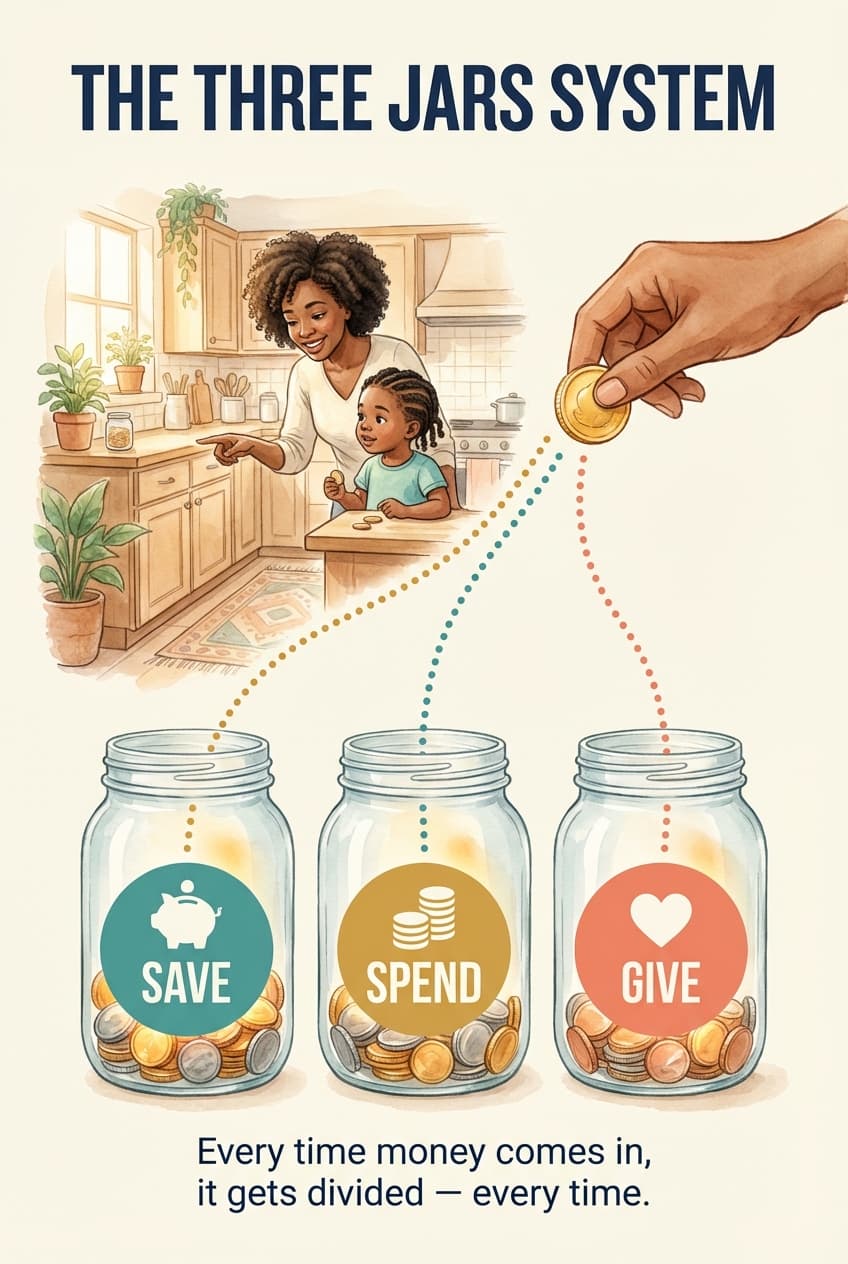
Why the piggy bank isn’t enough anymore. The three-jar system, needs vs. wants vs. manufactured wants.
Chapter 5: Digital Money Literacy
The Martinez family discovers hidden subscriptions costing $47/month — and your family’s first digital money audit.
Chapter 6: The Entrepreneurial Mindset
Two kids, two businesses, two very different outcomes. Revenue vs. profit, and writing a real business proposal.
Chapter 7: Investing Foundations
“My friend made money on Dogecoin.” How to turn that conversation into a lesson on compound growth.
Chapter 8: Career and Income in the AI Era
The twenty-year plan that wasn’t. Durable skills machines can’t replace.
Protection Without Paralysis
Chapter 9: Recognizing Financial Manipulation
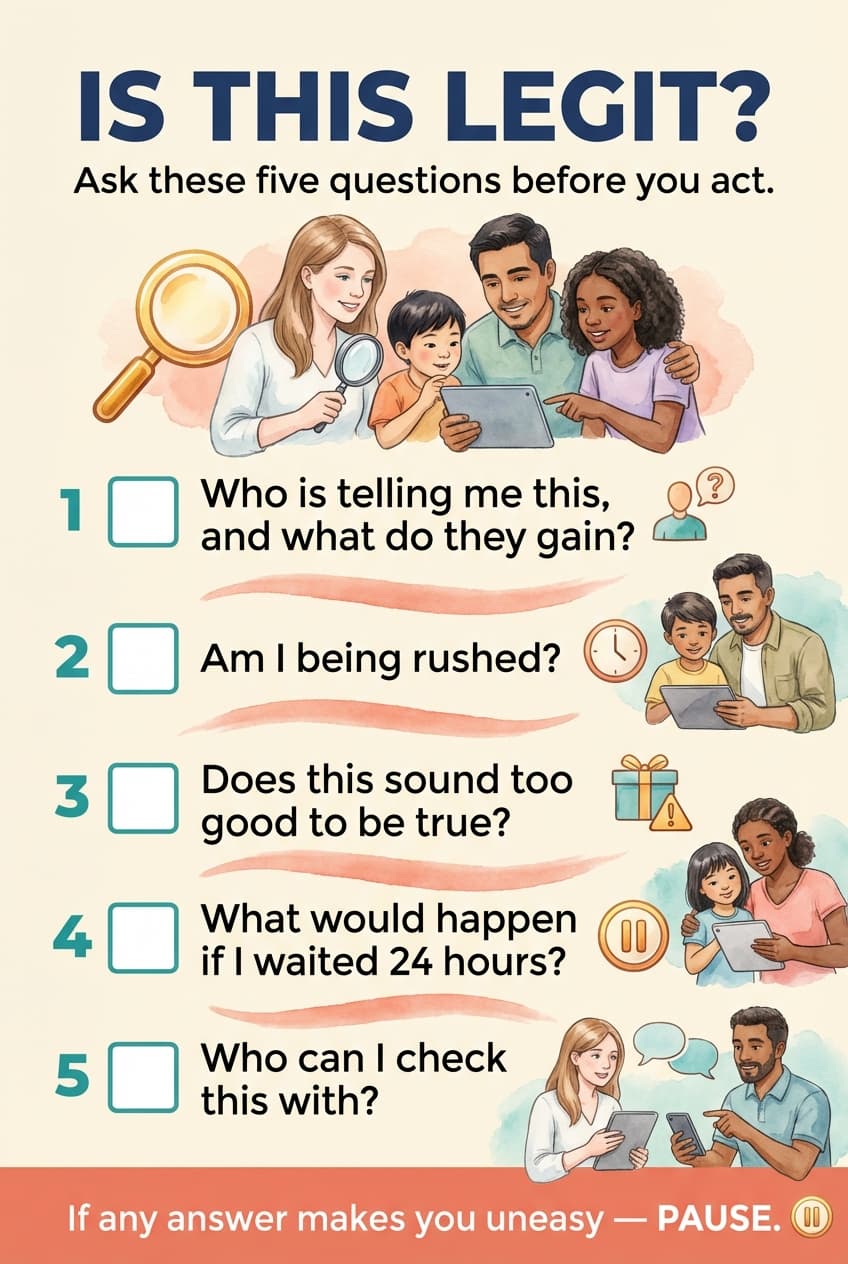
The DM that looked like a gift. Loot boxes, FOMO tactics, and the “Is This Legit?” framework your whole family can use.
Chapter 10: Healthy Risk vs. Dangerous Risk
Ten-year-old Zara has $50 and a plan. The risk spectrum that teaches kids to tell smart bets from bad ones.
Chapter 11: When to Step In, When to Let Go
The secret shopping spree — and the autonomy ladder for knowing when to intervene and when to let kids learn.
The Family System
Chapter 12: The Ongoing Conversation
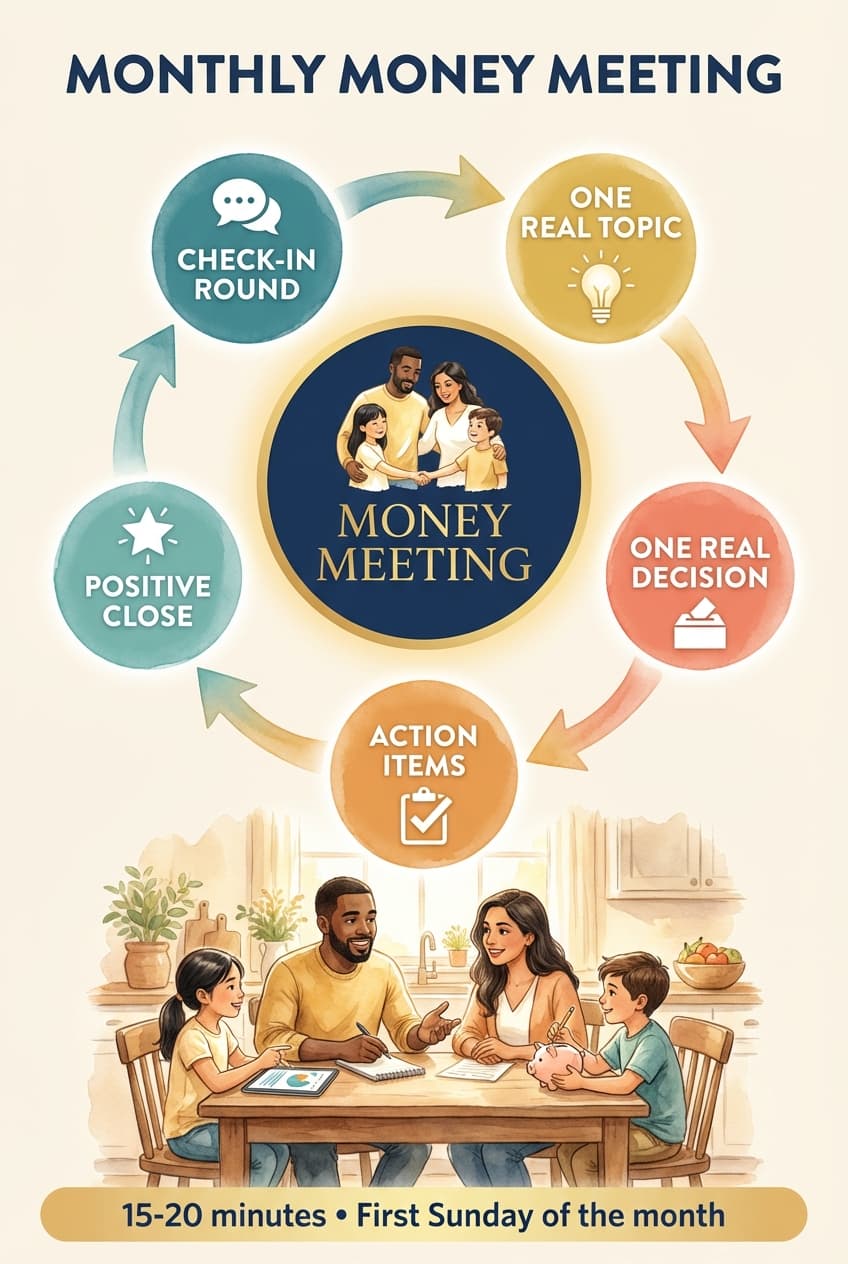
Fifteen minutes at the kitchen table. Monthly money meetings your kids will actually look forward to.
Chapter 13: Building Their Adaptability
The future you can’t see. The plan-monitor-evaluate cycle that prepares kids for whatever comes next.
Plus: Appendices
Red Flags Checklist, 40+ term Glossary, age-adapted conversation starters, and a complete assessment tracker.
The New Landscape
Chapter 1: The Rules Changed
A family discovers $4,000 in gaming charges — and realizes the financial world their kids navigate has fundamentally shifted.
Chapter 2: What Kids Are Actually Doing With Money
Meet Marcus, a 12-year-old Roblox developer earning real money — and the five financial worlds your kids already inhabit.
Chapter 3: The Threats They Can’t See
How a teenager lost money to a Discord “mentor” — and the dark patterns, algorithmic nudges, and social pressure targeting your kids daily.
The Core Curriculum
Chapter 4: Money Fundamentals — Updated
Why the piggy bank isn’t enough anymore. The three-jar system, needs vs. wants vs. manufactured wants.
Chapter 5: Digital Money Literacy
The Martinez family discovers hidden subscriptions costing $47/month — and your family’s first digital money audit.
Chapter 6: The Entrepreneurial Mindset
Two kids, two businesses, two very different outcomes. Revenue vs. profit, and writing a real business proposal.
Chapter 7: Investing Foundations
“My friend made money on Dogecoin.” How to turn that conversation into a lesson on compound growth.
Chapter 8: Career and Income in the AI Era
The twenty-year plan that wasn’t. Durable skills machines can’t replace.
Protection Without Paralysis
Chapter 9: Recognizing Financial Manipulation
The DM that looked like a gift. Loot boxes, FOMO tactics, and the “Is This Legit?” framework your whole family can use.
Chapter 10: Healthy Risk vs. Dangerous Risk
Ten-year-old Zara has $50 and a plan. The risk spectrum that teaches kids to tell smart bets from bad ones.
Chapter 11: When to Step In, When to Let Go
The secret shopping spree — and the autonomy ladder for knowing when to intervene and when to let kids learn.
The Family System
Chapter 12: The Ongoing Conversation
Fifteen minutes at the kitchen table. Monthly money meetings your kids will actually look forward to.
Chapter 13: Building Their Adaptability
The future you can’t see. The plan-monitor-evaluate cycle that prepares kids for whatever comes next.
Plus: Appendices
Red Flags Checklist, 40+ term Glossary, age-adapted conversation starters, and a complete assessment tracker.
Digital Toolkit
11 interactive tools, guides, and resources to put the book's lessons into practice with your family.
Toolkit Overview
Welcome guide and tool directory
Family Digital Money Audit
Track your family's digital spending across all platforms
Roblox Economics Guide
Understanding Robux, trading, and virtual economies
In-Game Purchases Guide
Navigate loot boxes, battle passes, and microtransactions
Social Media & Money Guide
Influencer marketing, ads, and digital spending on social platforms
Investment Apps Guide
Custodial accounts, fractional shares, and teen investing
Online Entrepreneurship Guide
Starting a kid-friendly online business safely
Is This Legit?
Interactive decision framework for evaluating online offers
Conversation Cards
20 guided prompts for family money conversations
First Business Framework
Step-by-step guide to launching a kid business
Monthly Money Meeting
12-month calendar of structured family money discussions
Red Flags Checklist
Warning signs of financial manipulation in children